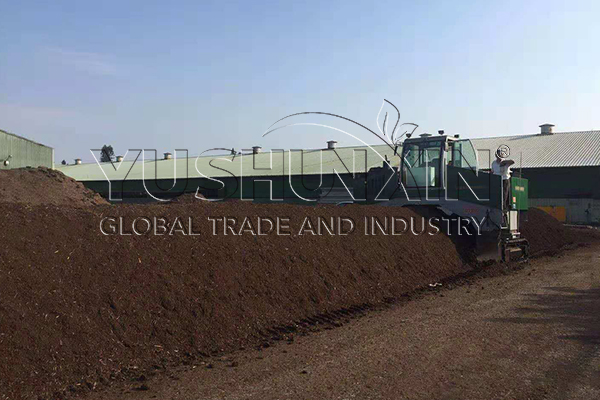
Efficient composting starts long before the compost turner enters the site. In windrow composting systems, proper windrow construction plays a critical role in oxygen supply, temperature control, moisture balance, and overall composting efficiency. Poorly built compost windrows can lead to uneven fermentation, odor problems, and wasted turning energy.
This guide explains how to build well-structured compost windrows that maximize turning efficiency and accelerate organic waste decomposition.
Choose the Right Windrow Dimensions
One of the most important factors in compost windrow design is size. Windrows that are too large restrict airflow, while windrows that are too small lose heat quickly.
For most organic waste composting projects, an ideal compost windrow typically has:
- A width of 2.5–4 meters
- A height of 1.2–1.8 meters
These dimensions allow windrow compost turners to penetrate deeply while maintaining sufficient oxygen exchange. Matching windrow size with the turning machine’s working width ensures consistent mixing and uniform compost maturity.
Balance Raw Materials for Stable Structure
Efficient compost windrows rely on proper material composition. A good mix of carbon-rich and nitrogen-rich materials improves pile porosity and microbial activity.
Common combinations include:
- Livestock manure with straw or sawdust
- Green waste blended with agricultural residues
- Food waste mixed with dry bulking agents
Well-balanced materials prevent compaction, allowing compost turning equipment to loosen the pile effectively and maintain aerobic conditions. Click here to get more!
Control Moisture Content from the Start
Moisture is another key factor affecting compost turning efficiency. Ideal moisture content for windrow composting usually ranges between 50% and 60%.
If the material is too wet, windrows become dense and difficult to turn. If too dry, microbial activity slows down. Pre-adjusting moisture before forming the windrows reduces energy consumption during turning and improves fermentation stability. If you don’t know
Shape Matters: Build Windrows with a Rounded Profile
A properly shaped compost windrow should have a slightly rounded or trapezoidal profile rather than a flat top. This design:
- Improves rainwater runoff
- Enhances air circulation
- Allows turning blades to lift and remix materials evenly
Well-shaped windrows reduce dead zones and ensure uniform composting throughout the pile.
Match Windrow Design with Turning Frequency
Turning frequency depends on raw materials, climate, and composting goals. Well-built compost windrows require fewer corrective turns, reducing fuel consumption and machine wear.
Experienced compost operators often adjust windrow spacing and pile height based on the performance of their windrow compost turning systems, achieving higher productivity with lower operating costs.
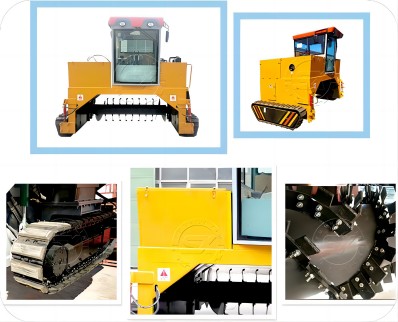
YUSHUNXIN can help you build the most suitable composting system and also provide you with a variety of compost turning machines.
Final Thoughts
Building perfect compost windrows is a foundational step toward efficient windrow composting. Proper size, balanced materials, controlled moisture, and correct shaping all contribute to faster decomposition and higher compost quality.
For large-scale or long-term composting projects, working with suppliers who understand windrow composting systems, turning equipment, and site layout planning can help optimize both windrow construction and overall compost production efficiency. Welcome to visit: https://www.fertilizerequipmentprice.com/windrow-compost-turner/