When you plan a biofertilizer production unit, choosing the granulator is only part of the decision. You also decide where living microbes enter the process. Early addition may expose them to drying heat, while later addition brings dosing and coating questions. Clear biofertilizer production unit inoculation planning connects your equipment layout with the product you intend to sell.
Separate composting from finished product inoculation
You may use microorganisms during composting, but that does not demonstrate that your finished granules contain the intended viable strains. A biofertilizer relies on living microorganisms, so discuss the final microbial specification with your inoculant supplier before choosing an application point.
Bring your carrier material, formulation, and intended storage conditions into that discussion. This gives your equipment supplier a clearer basis for planning the line.
Check the material after drying and cooling
On a wet granulation line, you can assess inoculation after drying and cooling to reduce exposure to dryer heat. Reviewing biofertilizer granulation line cooling requirements helps you define where to measure actual granule temperature and when to allow dosing.
Agree on acceptable conditions for your specific inoculant instead of assuming one temperature suits every strain. The explanation of adding bacteria after drying and cooling provides context for this process arrangement.
A dry granulation route removes the dryer from the sequence, but you can still check material temperature during a trial.
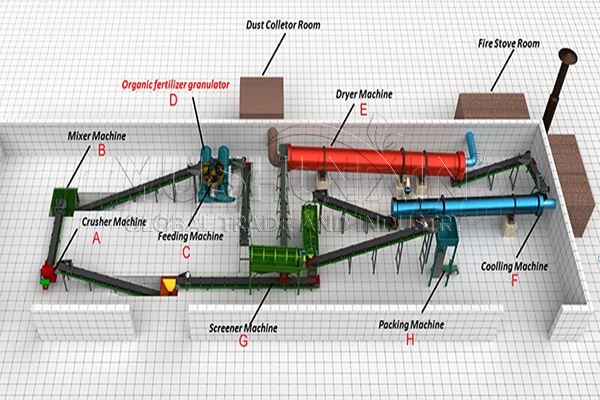
Match the dosing system to your inoculant
Liquid and powder formulations bring different handling questions. When comparing microbial fertilizer production unit dosing options, ask how the system controls feed rate and distributes the inoculant across the granules.
For a liquid formulation, include its moisture contribution in your trial. For powder, examine dust handling and segregation. You can also ask how operators clean contact surfaces between products and verify the dosing rate after a change.
Use trials to check more than pellet appearance
Attractive granules do not confirm microbial survival. Include biofertilizer processing equipment viability checks in your commissioning discussion, with an agreed sampling method and laboratory testing appropriate to the organisms.
Compare samples before application, after coating, and during planned storage trials. Record moisture, temperature, packaging, and test dates alongside the results. This gives you evidence for evaluating the proposed process before expanding production. Click here for more details.
Define the equipment scope before requesting a quote
For biofertilizer production line inoculant application, identify who supplies the inoculant, who validates the formulation, and which dosing components belong in the equipment quotation. Include your hourly output, available space, and sampling access in the enquiry.
You can then discuss a configuration around your materials and microbial requirements: https://www.granulationproject.com/product/biofertilizer-production-unit/