Choosing the right NPK compound fertilizer solution is a critical step for any agricultural or industrial operation that aims to improve crop yield and soil health efficiently. With numerous options on the market and growing customization demands, understanding how to evaluate the right balance of nutrients, production technology, and equipment setup is essential for long-term success.
Understand Your Nutrient Requirements
Every crop and soil type has unique nutrient demands. Before investing in a fertilizer solution, it’s important to determine the ideal NPK (Nitrogen, Phosphorus, and Potassium) ratio. This ensures optimal plant growth and avoids nutrient excess or deficiency. A well-balanced formulation within an NPK fertilizer blending system allows precise nutrient control, improving both efficiency and sustainability in production.
Evaluate Your Production Capacity and Equipment Needs
When planning fertilizer production, matching capacity with market demand is crucial. For large-scale operations, installing an NPK fertilizer production line provides flexibility for continuous manufacturing, consistent quality, and cost control. Modern lines are designed to handle multiple formulations, offering scalability as the business grows. Small and medium-sized producers can select compact solutions that maintain performance while reducing investment costs.
Consider Automation and Efficiency
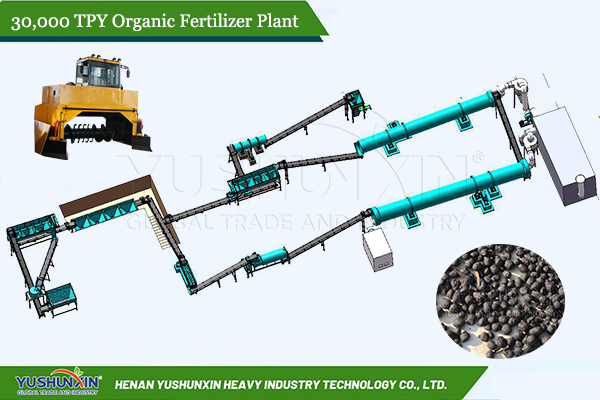
Automation plays a significant role in modern fertilizer manufacturing. An automatic NPK fertilizer plant setup can significantly reduce labor costs, improve accuracy in dosing and mixing, and ensure consistent product quality. Automation also helps maintain stable production during high-demand seasons, enhancing the reliability of supply chains. Choosing systems with programmable control units and advanced sensors further boosts operational efficiency. learn more.
Focus on Granulation and Process Technology
The granulation stage determines the final product’s quality, appearance, and nutrient release rate. Advanced NPK fertilizer granulation process technology ensures that the granules are uniform, durable, and easy to apply. The choice between rotary drum granulators, pan granulators, or extrusion granulators depends on the desired product characteristics and investment scale. High-quality granulation technology can reduce waste and increase output consistency.
Look for Integrated and Turnkey Solutions
For investors or companies entering the fertilizer industry, a comprehensive NPK compound fertilizer production turnkey project offers the advantage of complete system design, equipment supply, installation, and technical training. Turnkey solutions minimize project risk, ensure compatibility between different components, and accelerate the time from setup to production. Working with experienced suppliers also ensures ongoing technical support.
Conclusion
Selecting the right NPK solution goes beyond choosing a formula—it involves strategic decisions about technology, automation, and scalability. By carefully assessing nutrient needs, evaluating equipment capabilities, and adopting modern production technology, companies can build a sustainable and profitable fertilizer operation. The right combination of blending, granulation, and automation ensures a stable supply of high-quality fertilizer that meets the evolving demands of global agriculture. if you are interested in the project, you can visit https://www.fertilizerbusinessplan.com/how-to-prepare-npk-fertilizer/