Choosing the right fermentation tank is one of the most important decisions when setting up a modern biofertilizer plant. The performance of the biofertilizer fermenter directly affects product quality, nutrient stability, and the overall efficiency of the organic fertilizer production line. With many options available—such as aerobic fermentation tanks, in-vessel composting systems, and stainless-steel organic fertilizer fermentation vessels—understanding key selection factors can help you avoid costly mistakes.
1. Consider the Scale of Your Biofertilizer Production
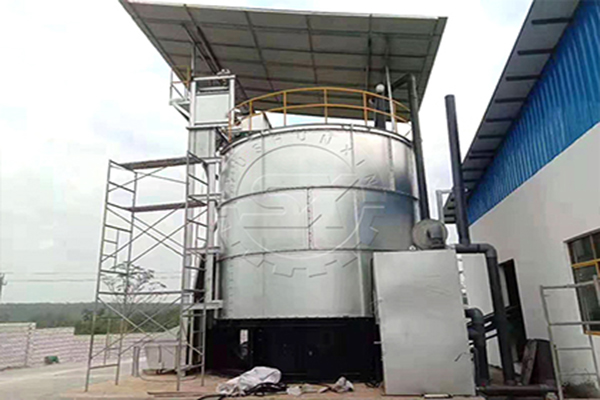
The first step when selecting a biofertilizer fermentation tank is evaluating your daily processing volume. Small and medium organic fertilizer factories can benefit from vertical fermentation tanks or in-vessel composters, which require minimal space and offer fast heating and aeration.
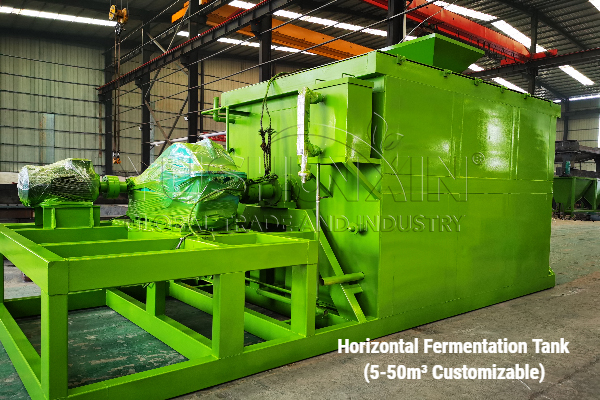
For large-scale biofertilizer manufacturers, a horizontal fermentation reactor or industrial composting tank provides higher capacity, stable agitation, and uniform temperature distribution. These systems are ideal for processing livestock manure, agricultural waste, and food residues at high throughput. YUSHUNXIN can recommend the fermenter to align with your specific raw materials, compost scale, and budget.
2. Choose Between Aerobic and Anaerobic Fermentation Systems
Your target product determines whether you need an aerobic biofertilizer fermenter or an anaerobic digestion tank.
- Aerobic fermentation tanks are preferred for solid and semi-solid organic materials. They promote rapid composting, high-temperature sanitization, and stable humus formation—ideal for organic biofertilizer granules or compost base materials.
- Anaerobic fermentation tanks, often built as sealed reactors, are more suitable for liquid organic biofertilizer production or biogas by-products.
A well-designed organic fertilizer fermentation system allows you to maintain proper aeration, temperature, and moisture while minimizing odor.
3. Material and Construction: Durability Matters
High-quality fermenters are typically made from stainless steel, carbon steel with anticorrosion coating, or reinforced composite materials. Stainless-steel fermentation vessels offer the best corrosion resistance, especially when processing high-acidity raw materials like food waste or high-N substrates.
Additionally, selecting tanks with automatic temperature control, insulation layers, and PLC monitoring ensures more stable fermentation and reduces manual labor. Click here to get more!
4. Automation Level and Operating Costs
A modern biofertilizer fermentation pot often integrates:
- Automatic feeding systems
- Intelligent oxygen supply
- Real-time temperature monitoring
- Discharge control
- Odor treatment modules
Higher automation reduces labor demand and improves consistency, making it more cost-effective for long-term operations. For new factories with limited budgets, semi-automatic fermenters are still viable and easy to maintain.
Conclusion: Selecting the Right Fermenter Increases Profitability
The right biofertilizer fermenter not only improves composting efficiency but also shortens production cycles, lowers energy consumption, and enhances product quality. Whether you choose a compact in-vessel composting tank or a fully automated industrial fermentation reactor, matching your production scale and raw material type is key to building a profitable biofertilizer plant. If you want to choose a suitable fermenter for your plant, welcome to visit: https://www.biofertilizerproduction.com/product/fermenter-for-biofertilizer-production/